
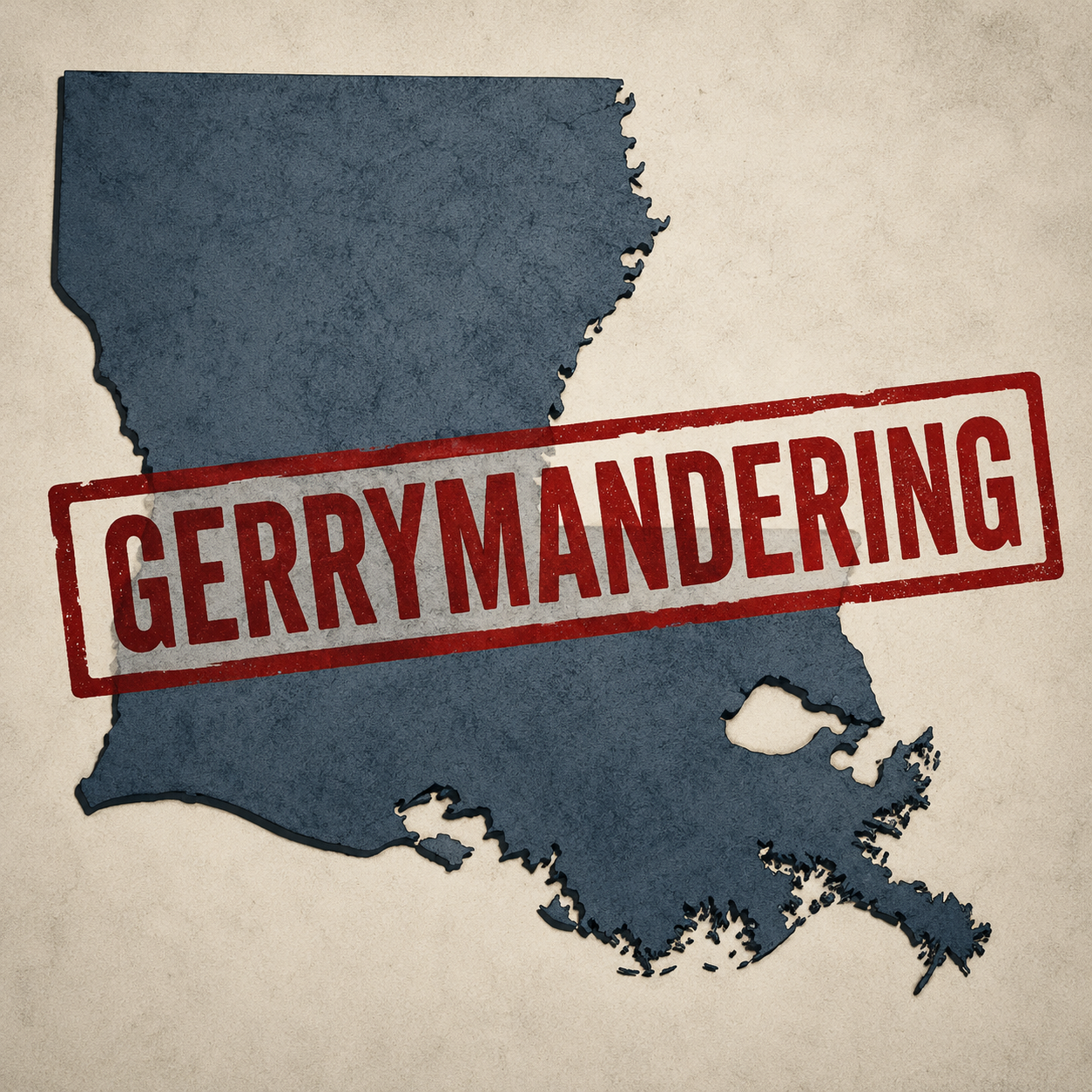
The Best Way to Fight Against Gerrymandering is to Vote, CBC Leaders Say
By Anitra D. Brown
The New Orleans Tribune
Congressional Black Caucus leaders are outlining a strategy to push back against aggressive redistricting efforts that threaten to further dilute Black voting power across the South. And at the heart of that strategy is the very thing under attack – the Black vote.
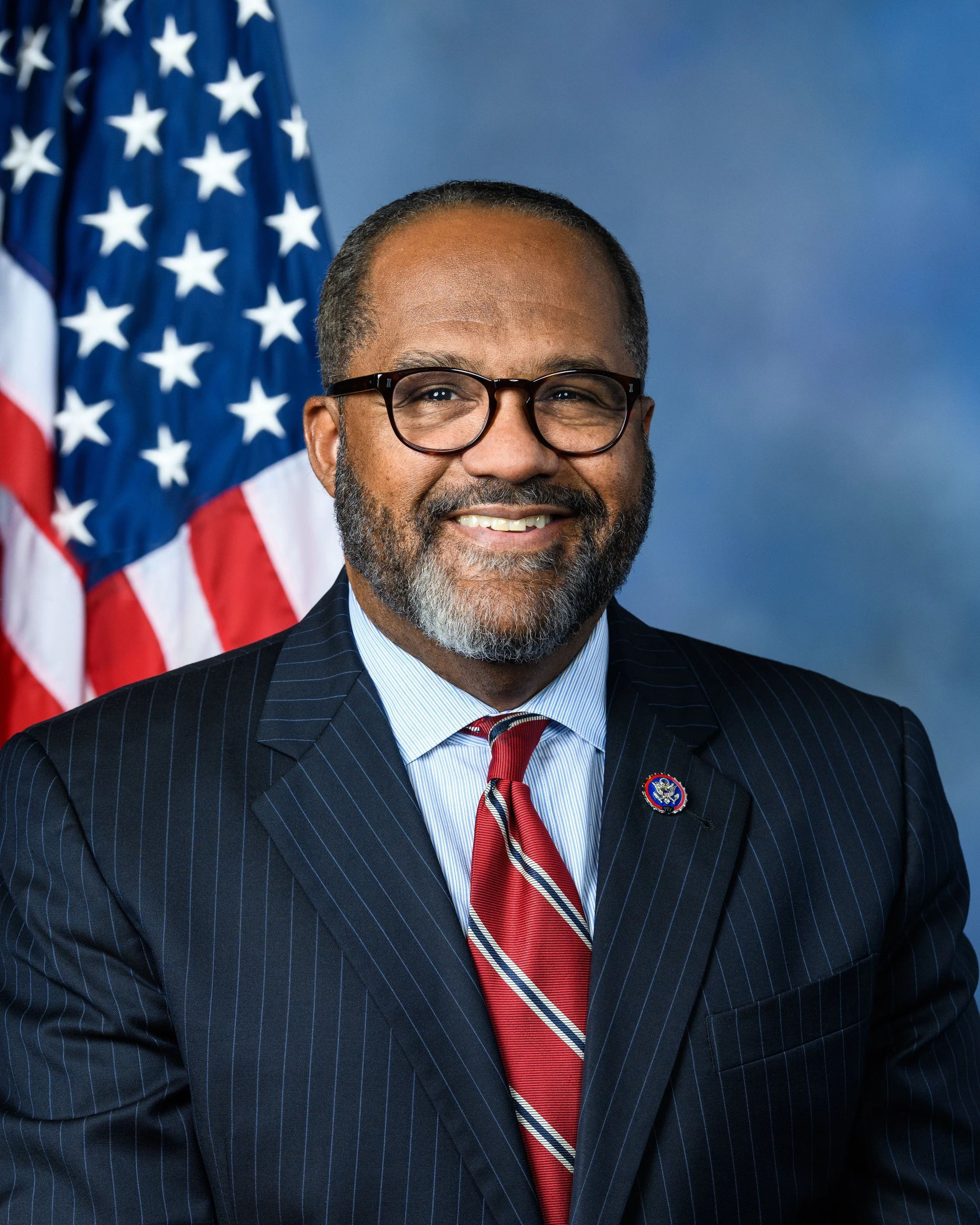
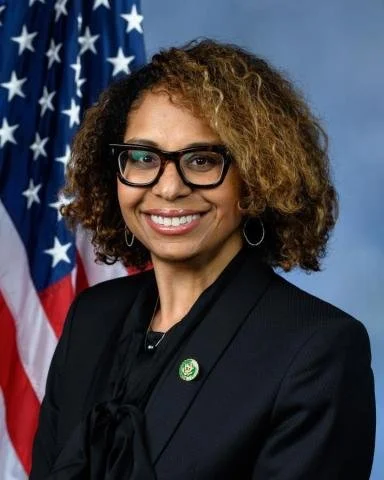
CBC 1st Vice Chair Troy Carter (LA-02) and CBC Whip Rep. Sydney Kamlager-Dove (CA-37) met Thursday (May 21) afternoon with members of Black media from both states by Zoom.
Multiple Southern states are not just redrawing maps, they are methodically reshaping the electorate, using redistricting as a tool to weaken the political influence of Black voters who have, in many cases, only recently secured fairer representation after decades of legal battles.
Louisiana’s latest map was approved by the House and Governmental Affairs Committee in a 10-7 vote down party lines Thursday (May 21) after a 10-hour hearing that featured vocal opposition, which notably included testimony from National Urban League President & CEO Marc Morial, former mayor of New Orleans.
“My appeal to this committee is to scrap all of these plans, and like grown men and women, Black and white, from all sections of this state, to go back to the drawing board and identify a consensus plan that reduces the risk of millions of dollars more of litigation, and which sends a message to the people of Louisiana that we’re going to be committed to finding common ground when it comes to reapportionment,” Morial said. “The right thing to do is to throw all of these plans in the garbage can and go behind and set up an organized framework for everyone to sit at the table and work things out.”
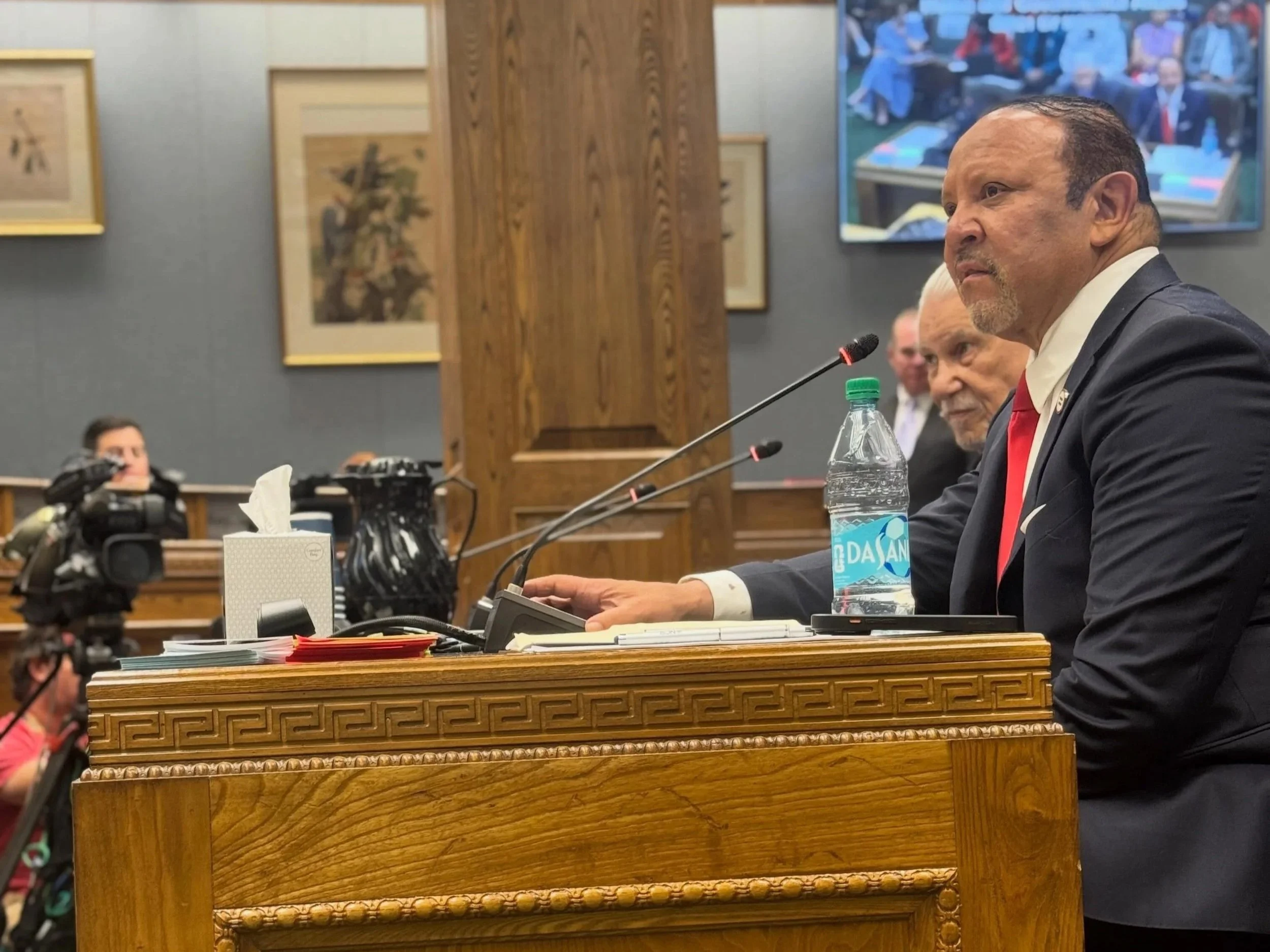
National Urban League President & CEO and former New Orleans mayo testifying before the state House and Governmental Affairs Committee.
Of course, there is no chance that will happen in Louisiana, where a MAGA-aligned governor and a Republican controlled legislature in both houses are rolling full steam ahead. The amended bill will be heard on the House floor next week.
The new district map erases the state’s second majority-Black district, while maintaining the five Republican districts and one Democratic district.
U.S. Rep. Carter acknowledges that uphill battle, while still suggesting that with a strong and consolidated effort among Black, progressive and independent voters, Louisiana could be different when it comes to political demographics.
“Management of expectations has to be front and center,” Carter said. “Statewide the reality is that we are outvoted. But we are red by choice. We could be blue if we vote. We don’t have to have two U.S. senators that are Republican. We have to get focused. We have to work. We have to register. We have to vote, and we have to make sure the anger, frustration and despair that we feel now is channeled.”
Carter continued, “Louisiana is the scene of the crime. But it is not limited to Louisiana. In fact, it has nationwide ramifications. It’s not just limited to congress. It can impact school boards, city council seats – wherever districts can be drawn.”
Both lawmakers agree that mobilizing voters in the upcoming midterms to gain control in one or both chambers of Congress is a top priority.
“Not if, but when we take control of the House, the Senate and the presidency, we can reverse this,” said U.S. Rep. Carter, who recently testified before the Louisiana state House committee, “That only happens when people come out and vote. The power is within us. And when we have control of the House, we can pass the John Lewis Voting Rights Advancement Act.”
The John Lewis Voting Rights Act, which has been stalled in Congress for several years, would restore key provisions to the original Voting Rights Act. Most recently, it passed the House in 2021 but has repeatedly failed to advance in the Senate.
U.S. Rep. Kamlager-Dove cautioned that even if the Democratics gain House seats in the fall, it will still take time and effort to reverse voting rights setbacks.
“These things won’t change overnight when we win the House, because we also have to win the Senate. And if we win the Senate, we still have Trump in White House,” said Kamlager-Dove. We have to invigorate the electorate and get souls to the polls.
Drawing analogies to the Civil War, Kamlager-Dove said voters in states outside of the South must fight on behalf of Black voters in the South.
“We need to provide aid and all the buoying our southern brothers and sisters need,” she said. “Let’s not get it twisted, we have an outsized impact.”
That strategy might prove especially key as the Democratic Party works to regain House seats by focusing efforts in congressional districts that Biden won or nearly won in 2020, including seats in New York, California, Pennsylvania, Michigan, Arizona and Iowa.
But for Black voters, particularly in states like Louisiana, the stakes are not theoretical. District lines determine not just representation, but access—to resources, to policy influence, and to a seat at the table where decisions are made.
Against that backdrop, CBC leaders appear focused on leveraging voter and political pressure to protect voting rights.
“We’re not accepting defeat,” Carter said. “We’re not rolling over. You will not silence our voices.”