
Somebody Has to Say It: The Question Isn’t Whether Essence Fest Stays in New Orleans, It’s Who Benefits When It Does?
Let’s be clear about something: Essence Festival belongs in New Orleans.
But we must make sure the people who built the culture—and the Black businesses that sustain it—actually benefit from it.
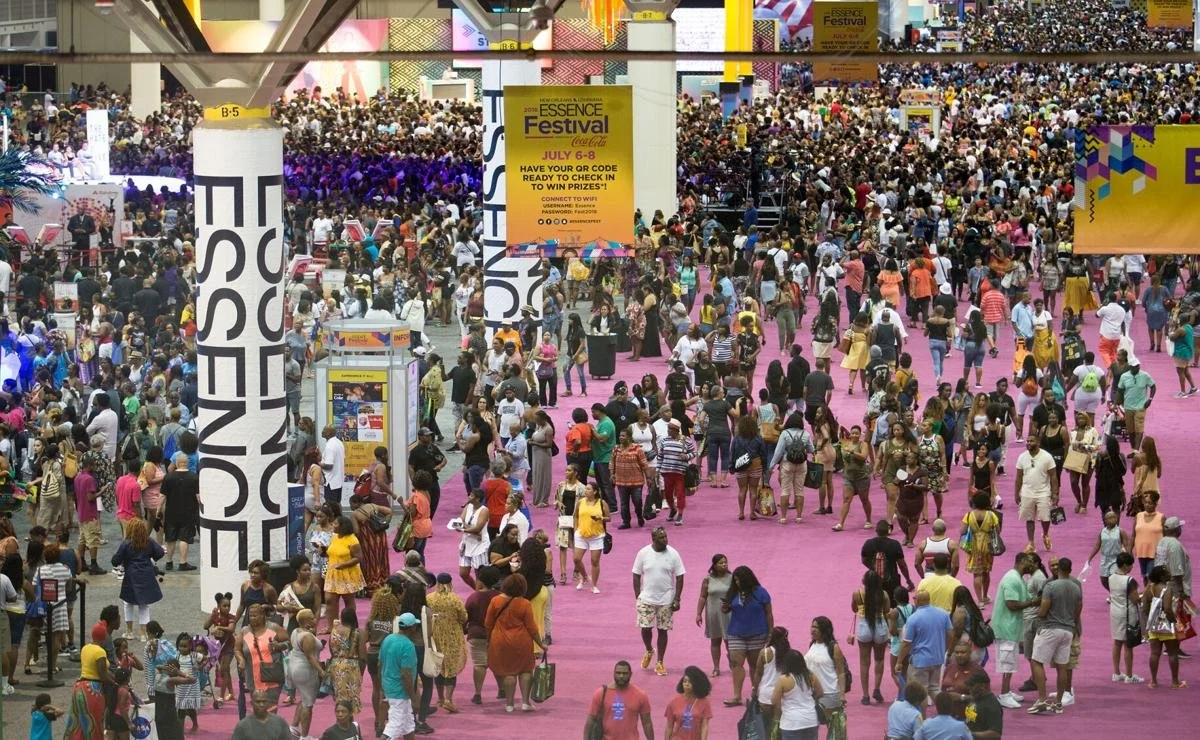
For over three decades, Essence Festival has been more than a concert series. It has been a cultural pilgrimage. Hundreds of thousands of Black women—and the families and friends who come with them—travel here from across the country and around the world to celebrate culture, empowerment, entrepreneurship, and community.
And make no mistake: they bring their wallets.
Hotels fill up. Restaurants overflow. Ride shares surge. Vendors sell out. The city’s tourism engine roars to life in the middle of summer.
But if we are honest, the question we should be asking is not simply whether Essence Fest stays.
The real question is who truly benefits when it does.
Of course, we are not suggesting that Black businesses are absent from the Essence Fest ecosystem. There are Black vendors, Black service providers, and a few Black-owned restaurants and establishments that see the benefits of the festival weekend.
But let’s also be honest about the scale of it.
Too many Black businesses—especially those outside the French Quarter, the Convention Center corridor, and the Central Business District—often see very little of that economic surge. And that’s not by accident. Historically, Black businesses have largely been pushed out of those high-traffic tourism zones. Aside from a small handful—literally a handful—the reality is that most Black-owned businesses in this city are not located in the CBD.
Which means many of the very businesses that reflect the culture visitors come here to experience are left on the outside looking in.
That has to change.
And if anyone needs a relatively recent example of the disconnect between festival organizers and local Black businesses, they can look no further than what happened in 2023 with Baldwin & Co. bookstore. The bookstore found itself in a public dispute with Essence organizers after promoting an event using the Essence brand without authorization. To be clear, the bookstore should not have used the brand that way. But the situation also revealed something deeper: a local Black business outside the traditional festival footprint trying to figure out how to plug into the energy and opportunity of Essence weekend—and apparently not knowing how to do it.
That moment should not just have been treated as a branding violation. It should have been a signal.
So-called “clean zone” laws were again approved by the New Orleans City Council and will be in effect June 29-July 6. Supporters say the city’s “clean zone” laws around the Essence Festival of Culture protect the brand, the corporations that pay millions to sponsor the festival, and the businesses that are fortunate to obtain one of licensed vendor spots. But the effect is something else entirely. These zones create a tightly controlled commercial bubble. While the policy is framed as protecting value, it also limits who gets access to the crowds—and the dollars—during one of the most lucrative cultural weekends in New Orleans. For too many businesses outside the downtown footprint, it’s another reminder that the culture may belong to the community, but the opportunity doesn’t always reach it.
If Essence Festival is going to remain in New Orleans—and it absolutely should—then the city, the organizers, and the tourism industry must be intentional about making sure local Black entrepreneurs are fully integrated into the economic opportunity it creates.
Because if the festival celebrates Black culture, then the benefits of that celebration should not stop at the edge of downtown.
And there is another piece of this conversation that matters just as much, and somebody has to say it plainly: Essence Festival must remain firmly in Black hands.
This festival was created as a celebration of Black women, Black culture, and Black excellence. Its voice, its vision, and its direction should continue to be shaped by Black leadership. That means more than representation on stage. It means decision-making power behind the scenes—who plans it, who programs it, who determines its priorities, and who tells the story of what the festival represents.
Because the moment an event rooted in Black culture becomes something merely marketed to Black audiences, the soul of it begins to change.
Essence Fest works in New Orleans not just because of the Superdome or the Convention Center.
It works because of the culture. It works because of the music that was born here, the food that was perfected here and the Black communities that shaped this city’s identity long before it became a tourism brand.
So yes, New Orleans must fight to keep Essence Festival here. Other cities would love to have it, and they are not shy about making offers.
But keeping Essence Fest should never be about protecting a weekend of concerts. It should be about protecting a cultural and economic ecosystem that uplifts Black people, Black culture, and Black business.
Somebody has to say it: If the Essence Festival of Culture celebrates Black excellence, then Black businesses in the city that hosts it should be thriving because of it.